Matcha and tea house
Learn how each tea is made and how it tastes
Fresh whisks, whole leaves, and purposeful brewing, explained clearly so you can understand every cup before you choose it.
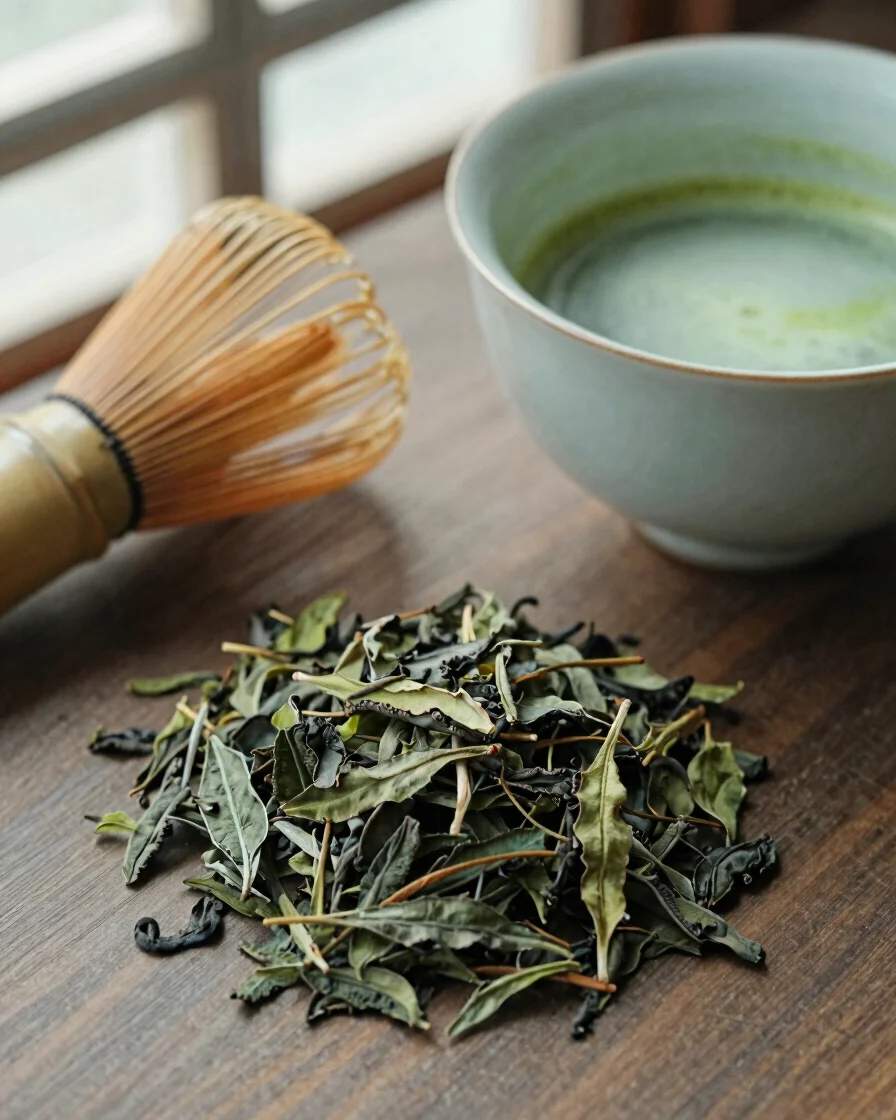
House categories
Three families, three distinct profiles
Shaded greens, roasted oolongs, and aged reds each reward a different approach. Here is where to begin.
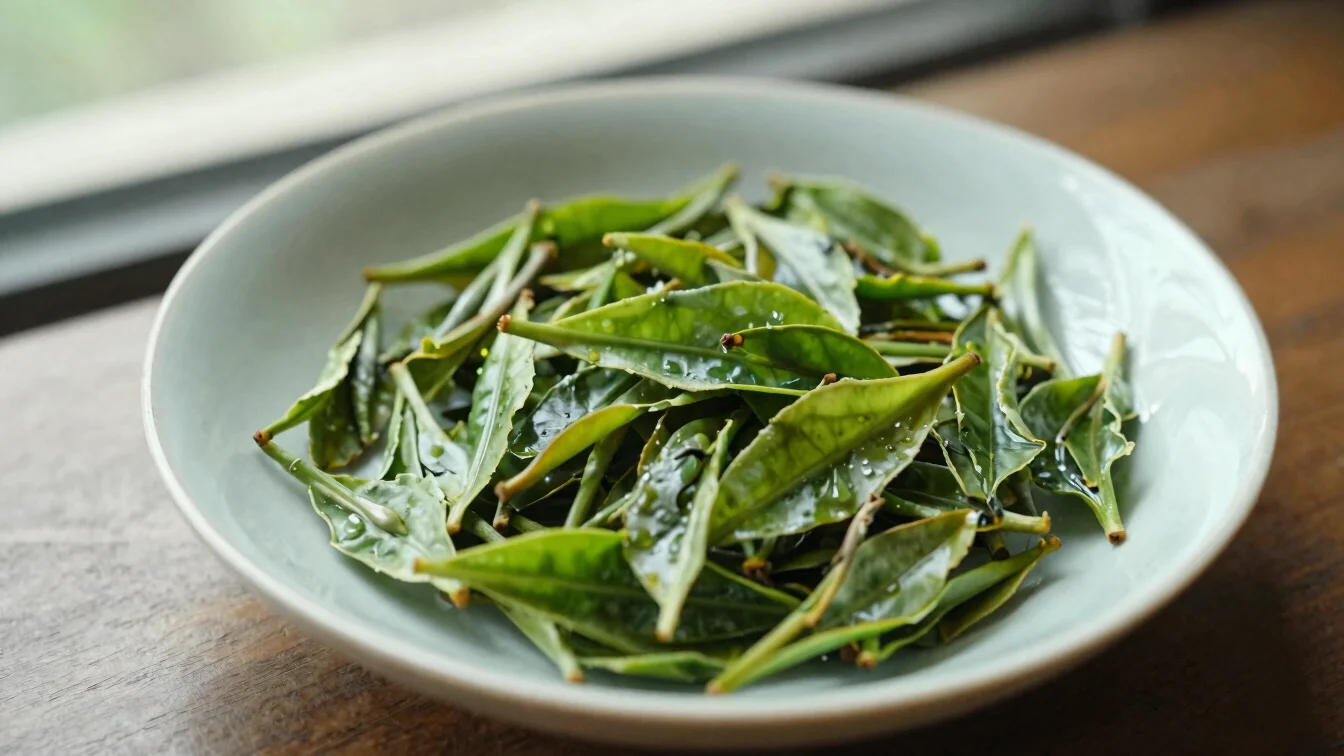
Shaded greens
Grassy and fresh, with a sweet, vegetal finish. Matcha belongs to this family.
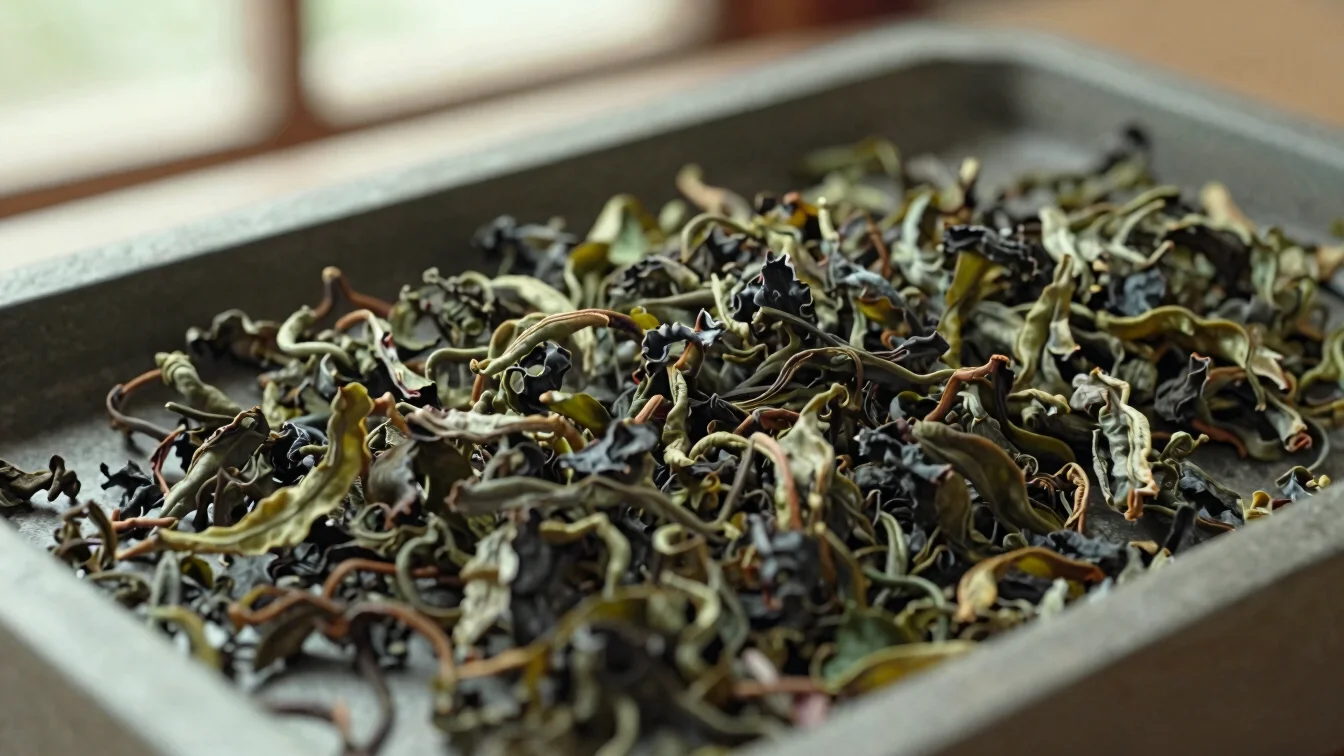
Roasted oolongs
Toasty and floral, with a rounder body. Roasting shapes the aroma more than the leaf does.
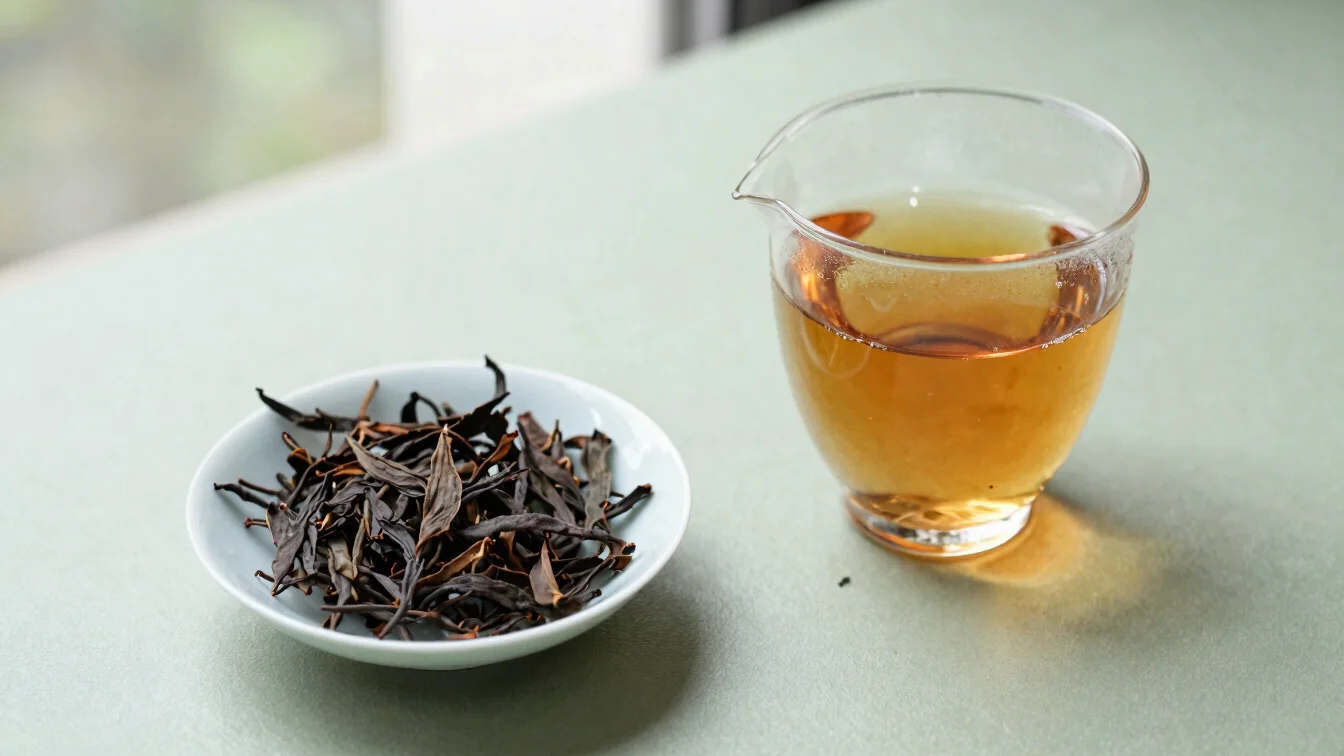
Aged reds
Mellow and gently sweet, with malty depth. Time and oxidation soften the edges.
Preparation
Water temperature, leaf ratio, and steep time decide whether a cup is sweet or astringent.
Adjust one variable at a time and taste the difference. Each tea opens differently under the same care.
Ready to compare the teas?
The complete tea guide covers brewing notes for every family.